Between May and October 1918 and aged just nineteen my grandfather, 2 Lt John Charles Binns, served with C Battery, 231 Brigade, Royal Field Artillery commanding a section of two 18 pounder QF guns. Between May and September, 231 Brigade, part of the 46th North Midlands Division, was in action in the Bethune area of Northern France, fighting off the German Spring Offensive and was based around the villages of Beuvry, Le Quesnoy and Le Hamel as part of Gorre Group. On 15th September 1918, 231 Brigade moved down to the Somme region where it took part in the 100 Days Offensive which saw British & Commonwealth forces break through the German Hindenberg Line. My grandfather saw action in the battles of Epehy, St Quentin Canal, Beaurevior Line and Selle before being sent home on leave on 25th October 1918. During his time in France he inhaled poison gas which was to affect his health for the rest of his life. These photographs were taken during two trips to France in 2026 to visit some of the places he served in.
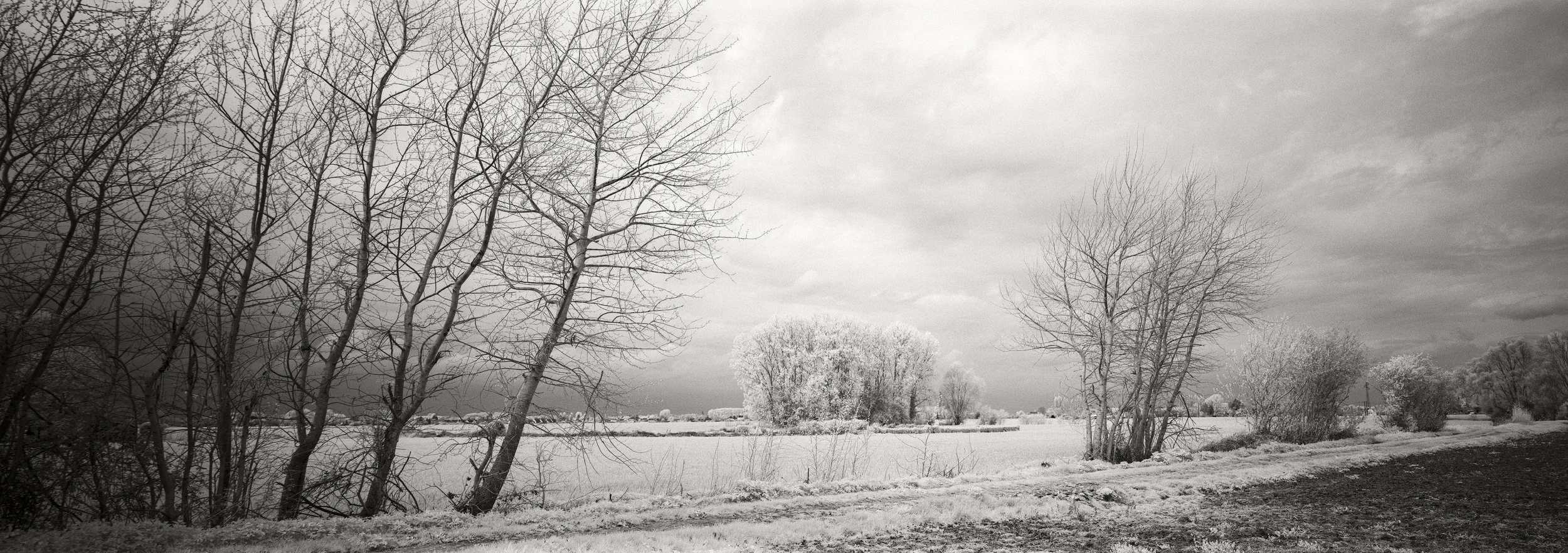
Countryside near the village of Beuvry.
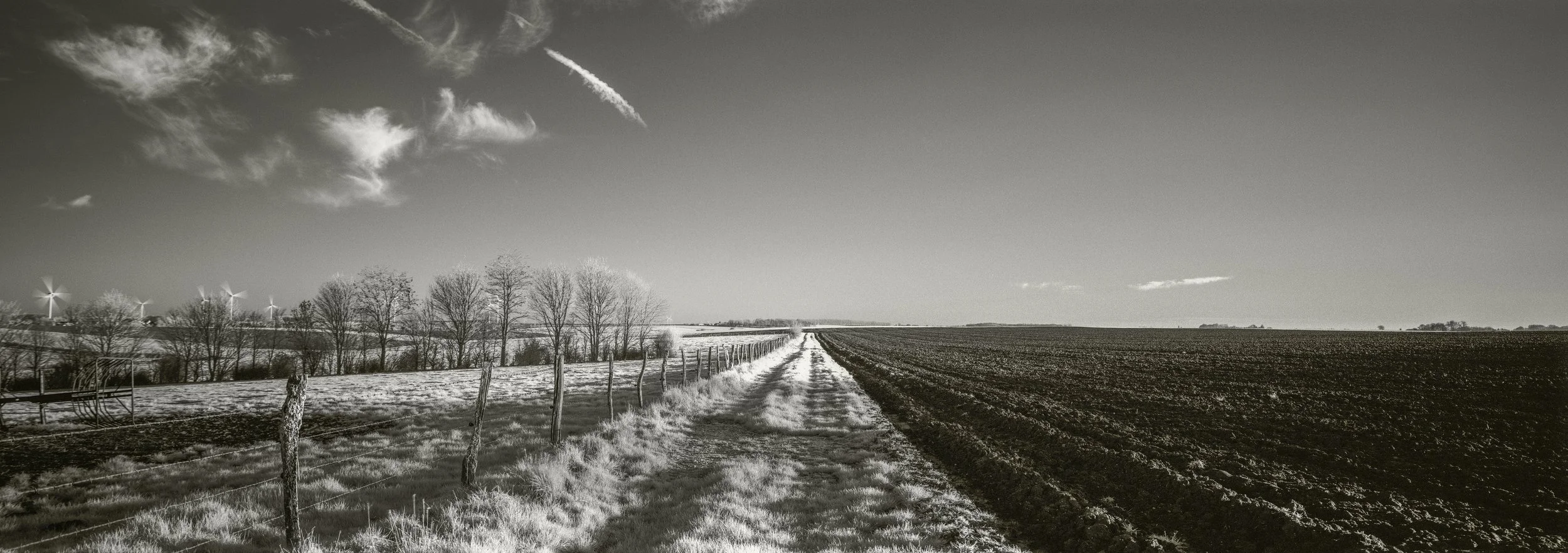
Looking towards the Battery’s gun position on 17th September 1918 just before the Battle of Epehy.
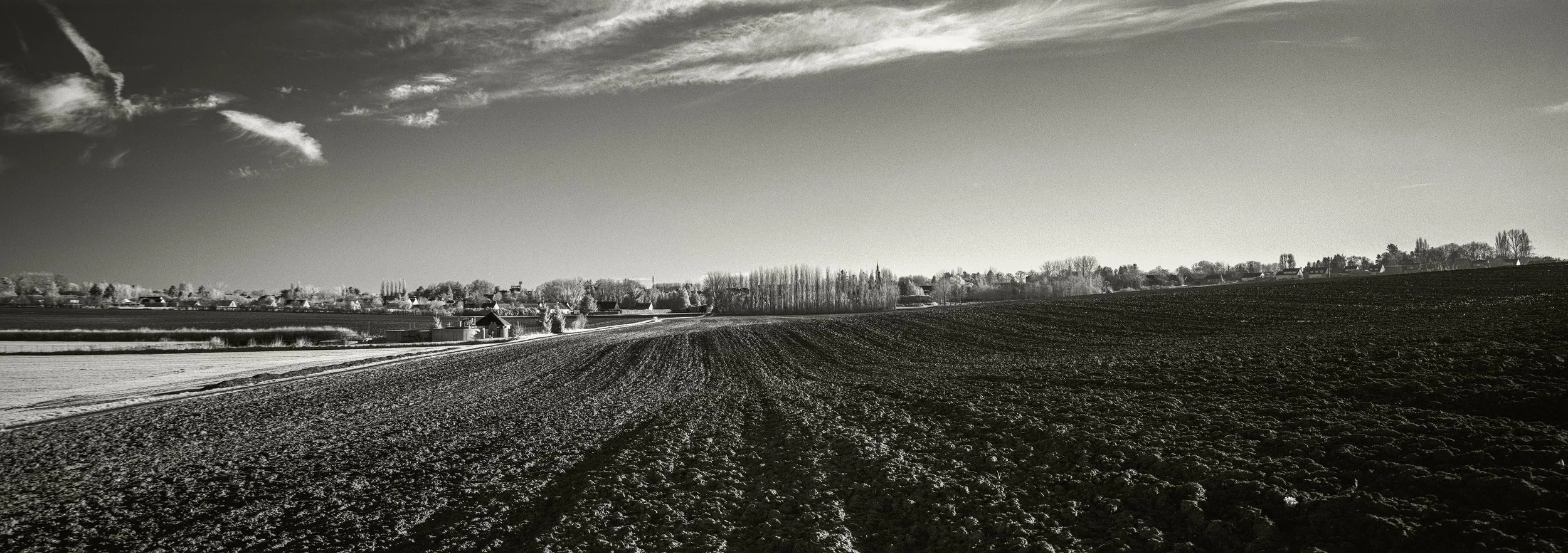
Gun position overlooking the village of Epehy.
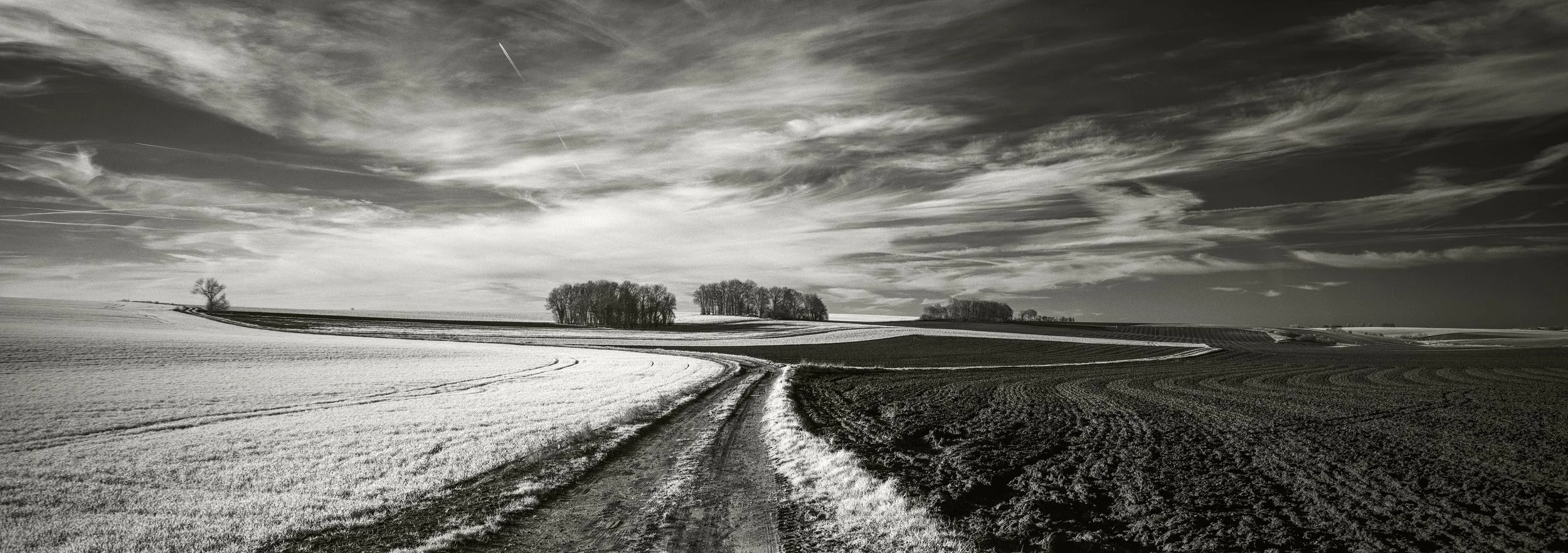
Countryside between Epehy and Vendelles (the battery’s next objective).
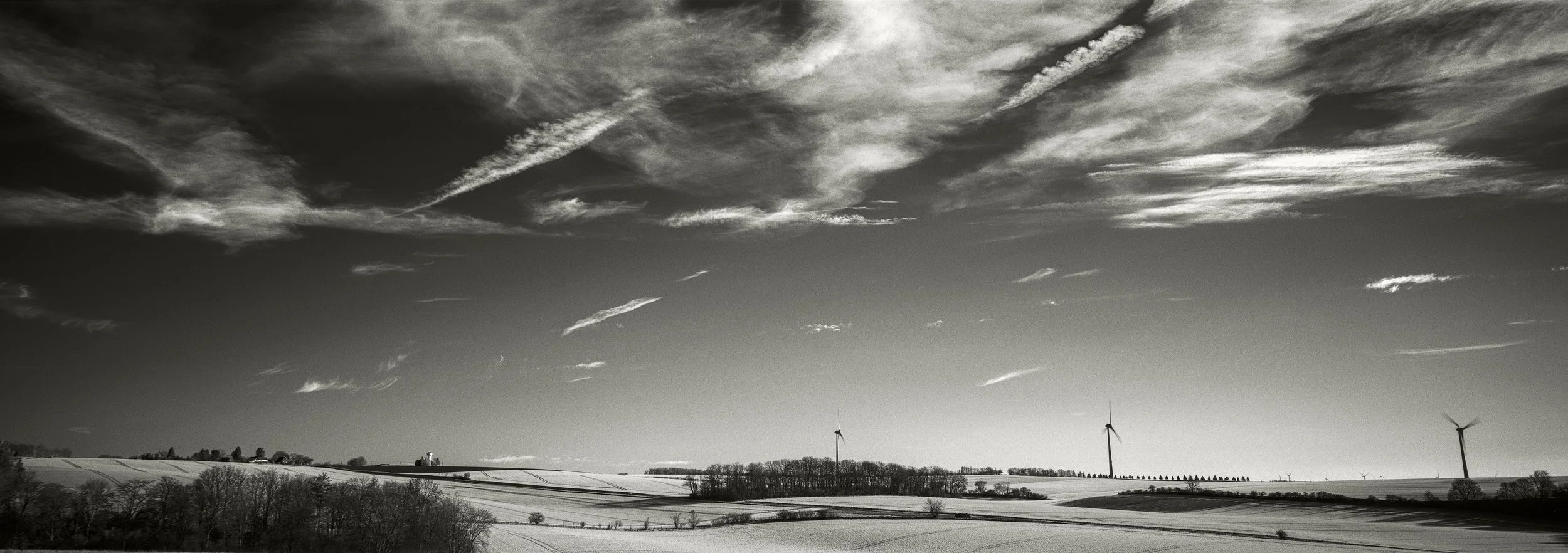
View from Vendelles. C Battery relieved 55 Brigade Australian Field Artillery on this site on 25th September 1918.
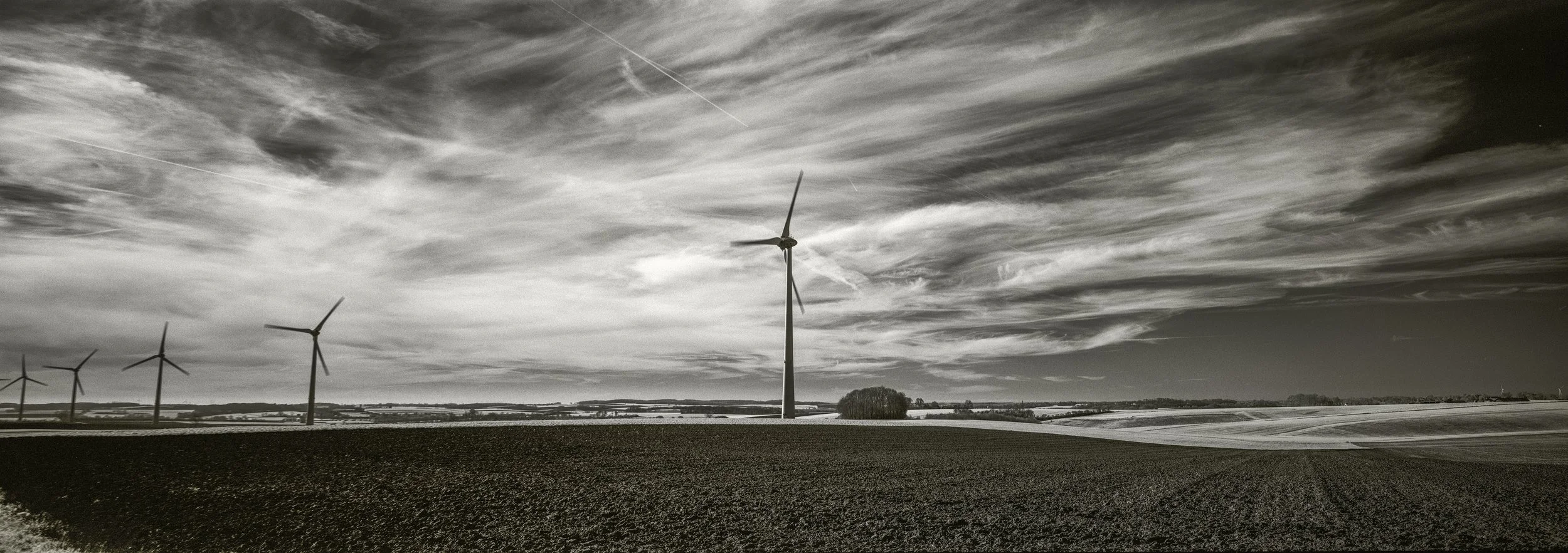
View from Battery’s position on “W” day - three days prior to the Battle of St Quentin Canal.
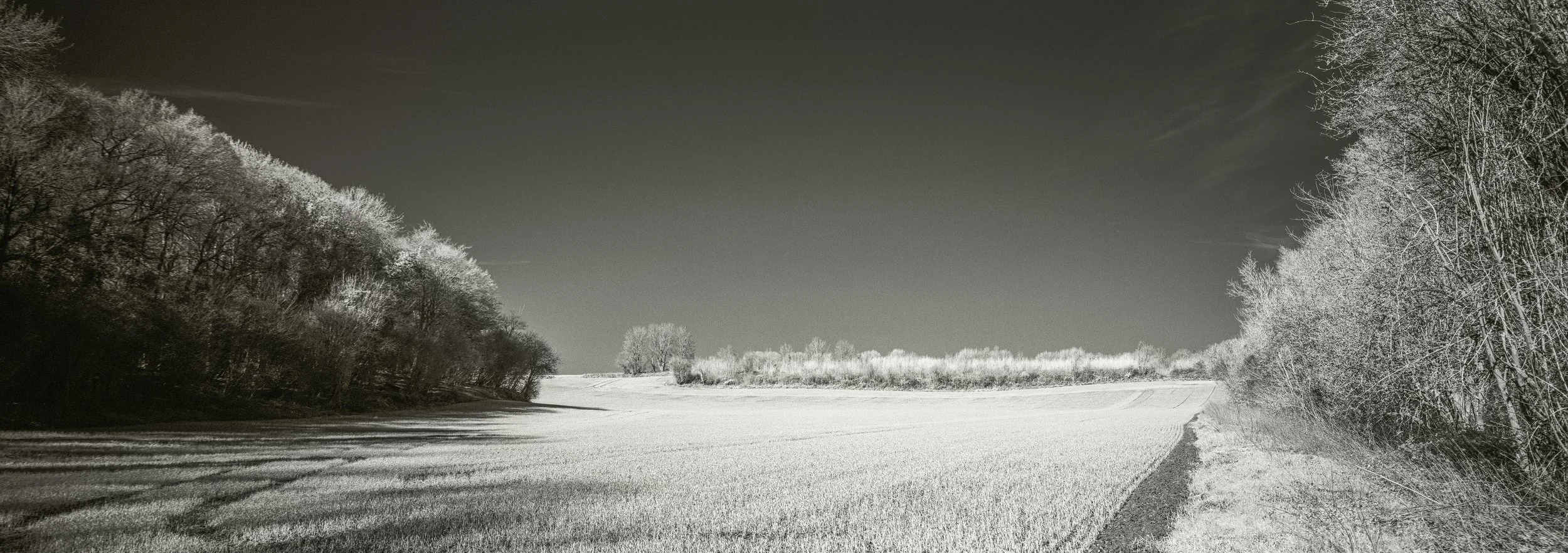
Battery position on 30th September just south of Riqueval bridge during the Battle of St Quentin Canal.
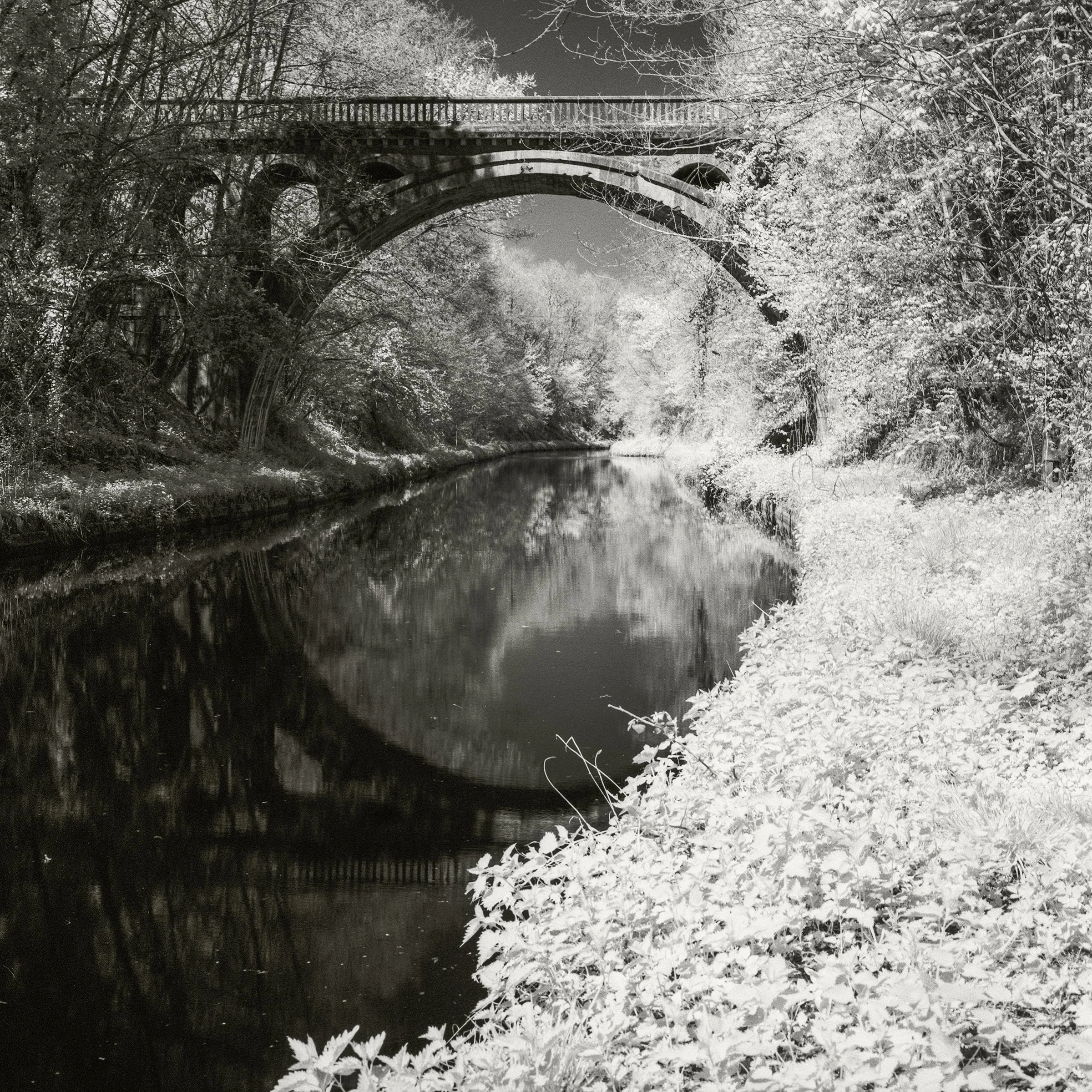
Riqueval bridge, one of 46th North Midland’s key objectives during the battle of St Quentin Canal. My grandfather would later recall taking his guns across the bridge during the battle whilst being shelled by German artillery. The storming of the canal and capture of the bridge is regarded as one of the British Army’s greatest feats of arms of the First World War.
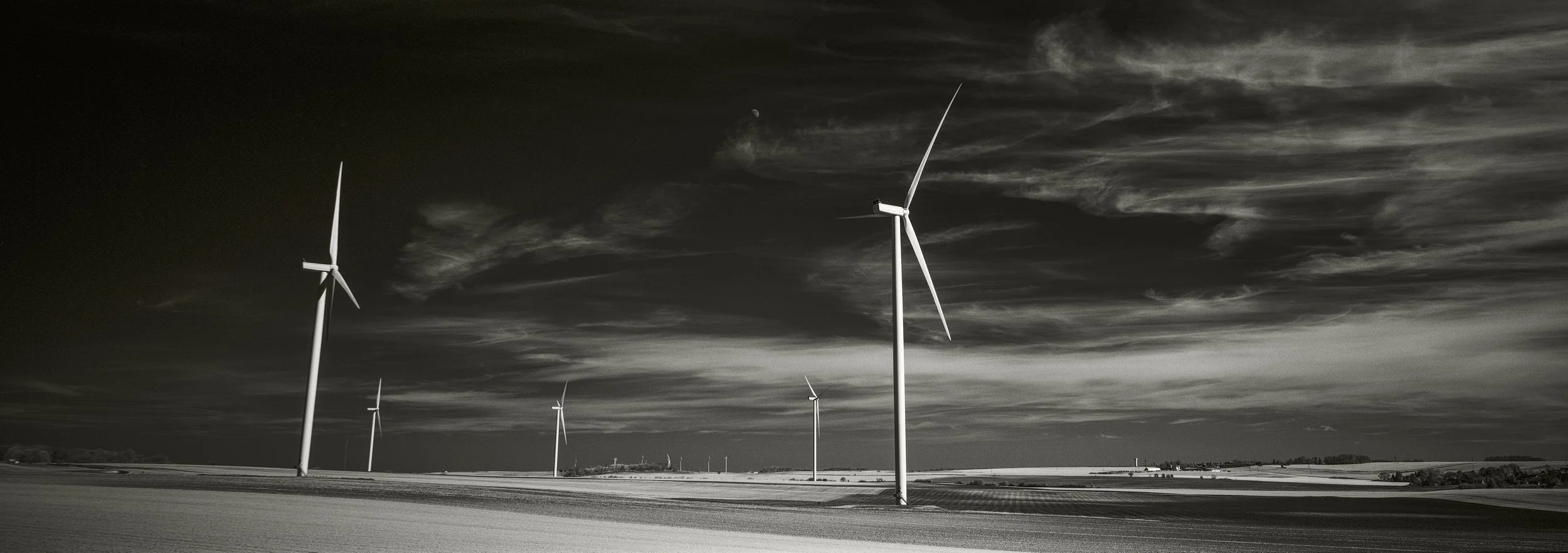
Start position, Battle of Beaurevoir Line.
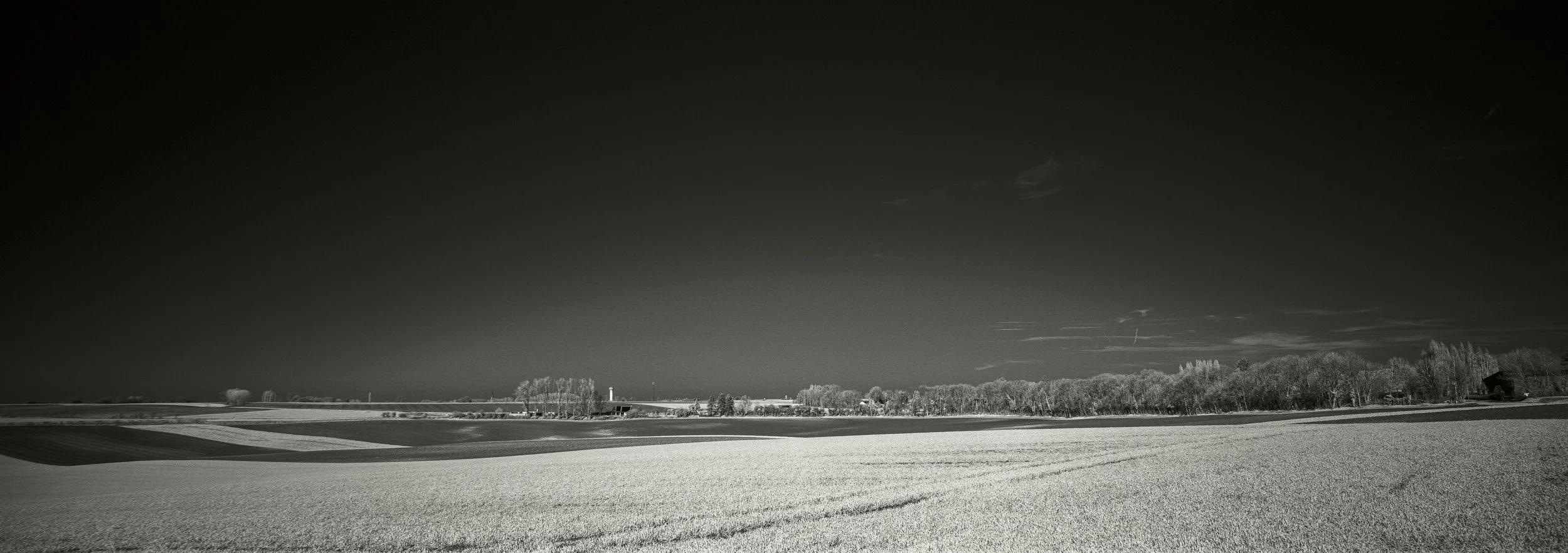
Battery position on 3rd October 1918. Battle of Beaurevoir Line.
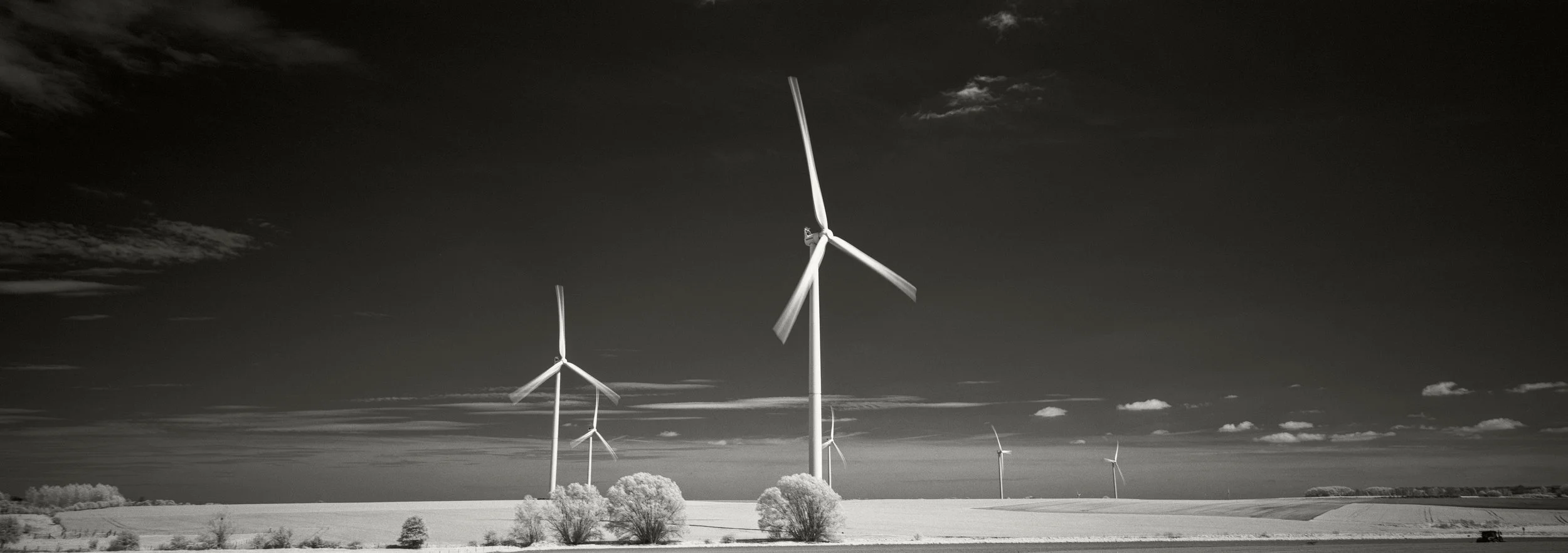
Battery’s position on 7th October 1918, near the village of Ramicourt.
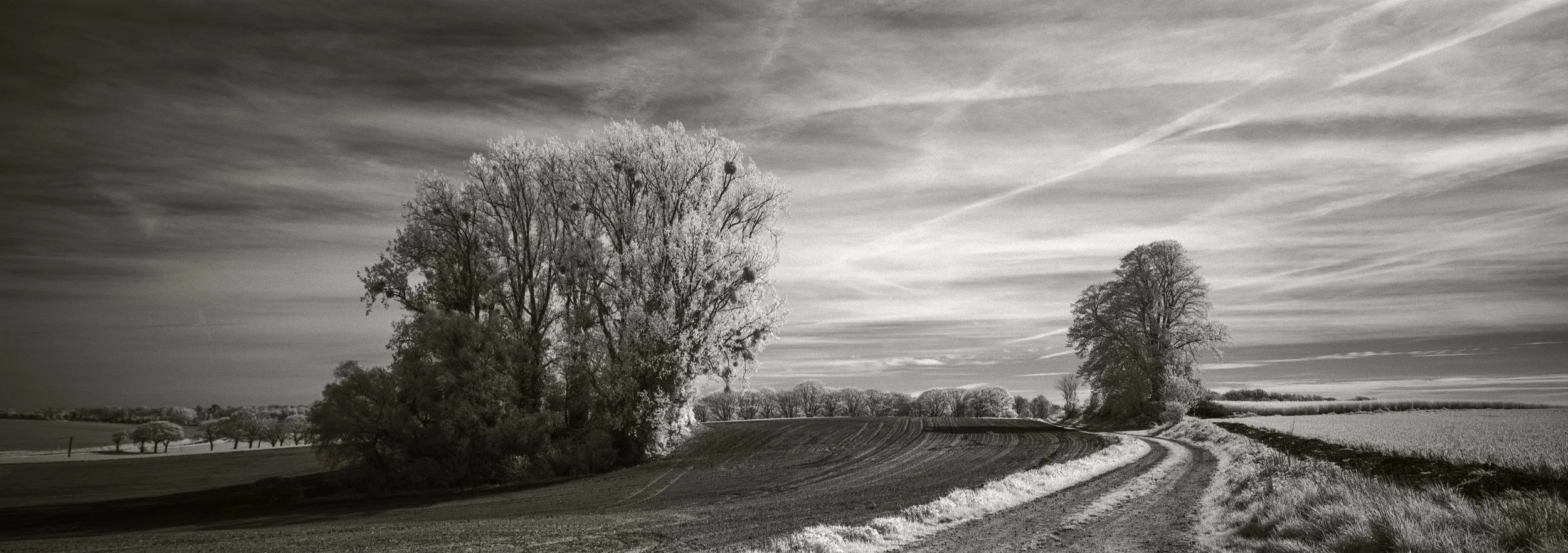
Riqueval Farm. C Battery’s wagon lines were located here on 24th October 1918
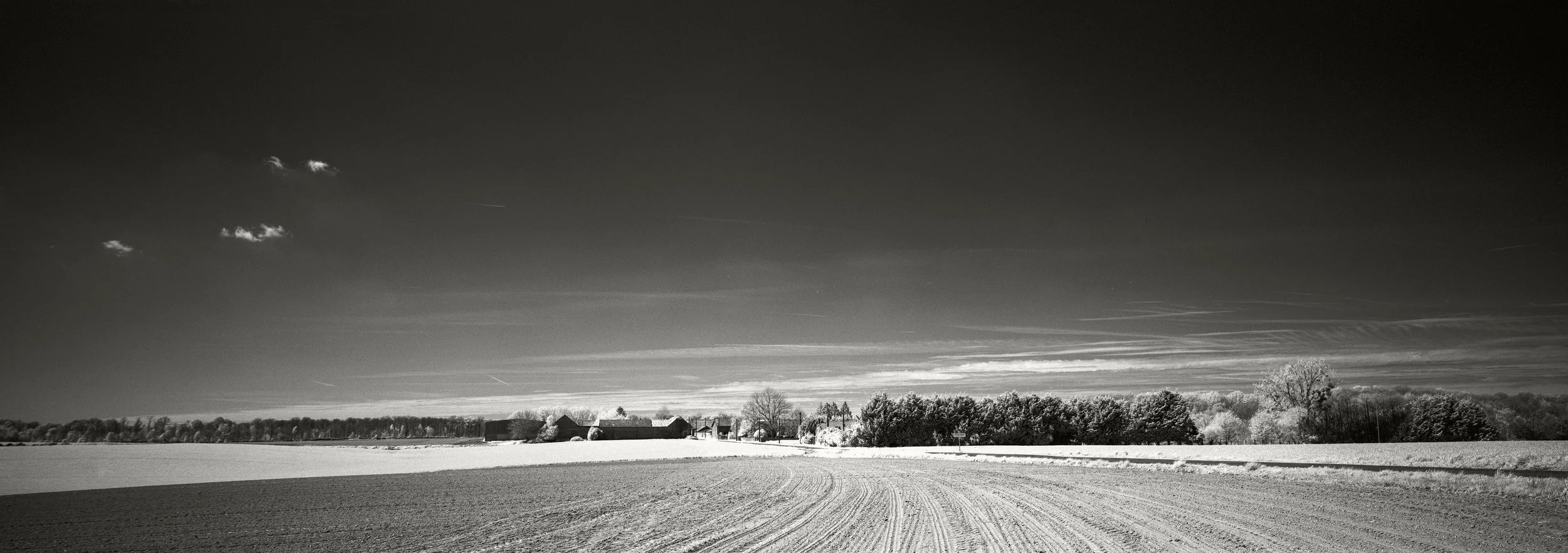
View of the village of Regnicourt, captured by 46th North Midland Division. C Battery were positioned to the NW of the village.
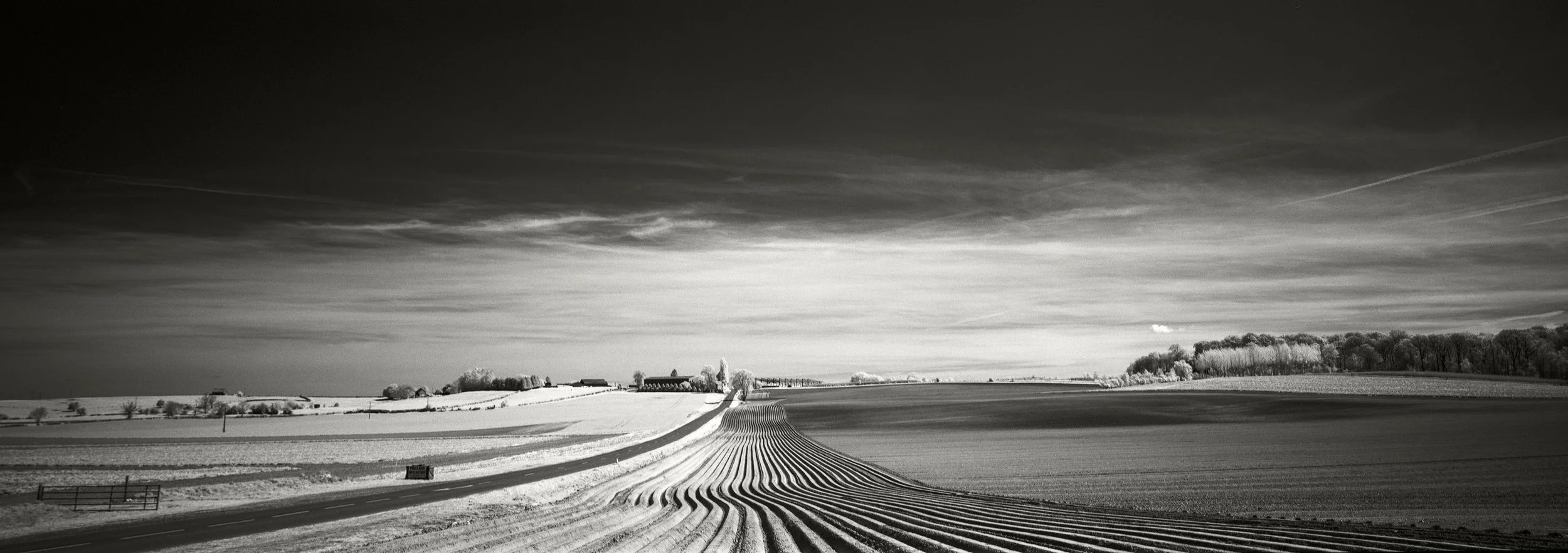
View of Andigny les Fermes, scene of intense fighting on 18th October 1918. C Battery were engaged firing on the village.
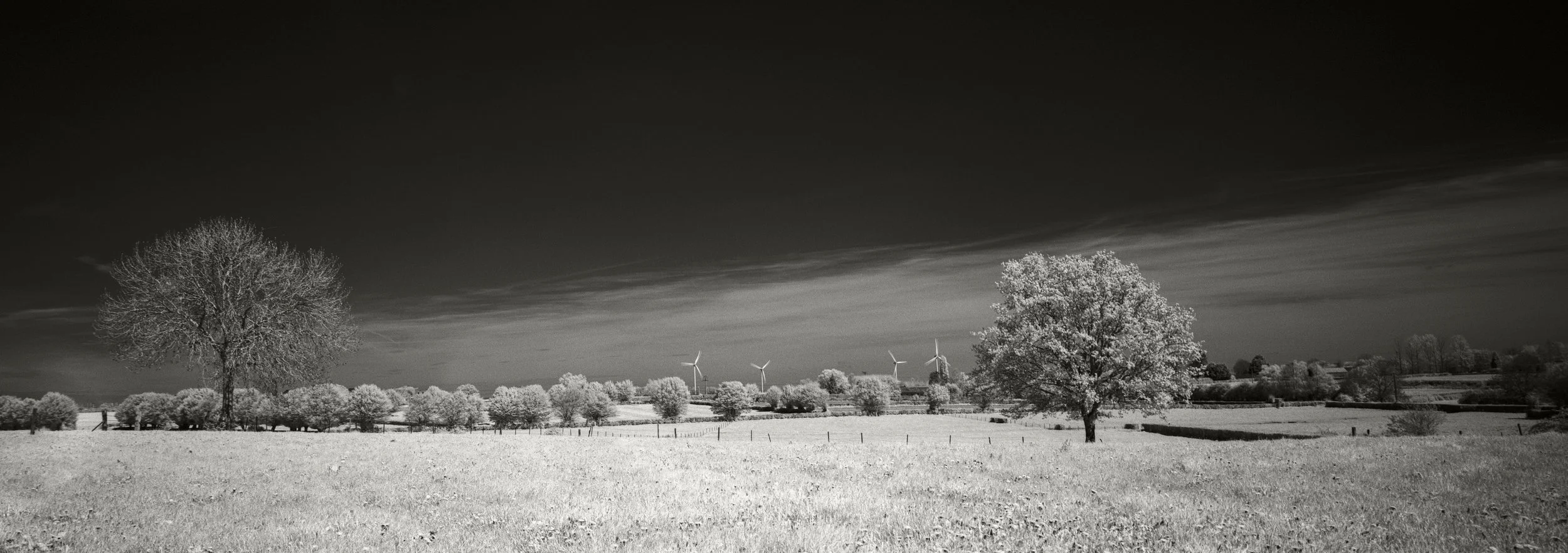
Battery position on 22nd October 1918 just outside the village of Ribeauville. The battery fired on La Haie Tonnoile Farm from this position. and in turn was shelled here on 23rd October; this is possibly where my grandfather was injured whilst taking cover in a shell hole filled with poison gas. This was his final position before going home on leave on 25th October 1918.
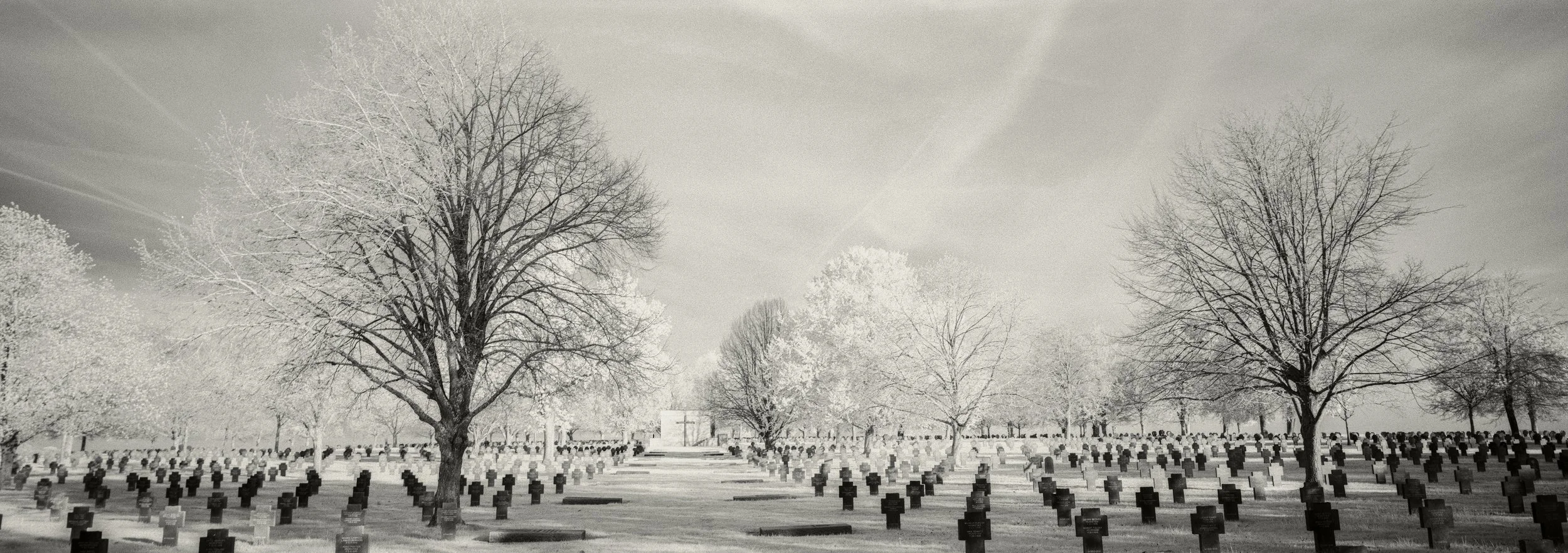
Maissemy German Military Cemetery. Some of the German soldiers killed fighting 46th North Midlands Division are buried here.